
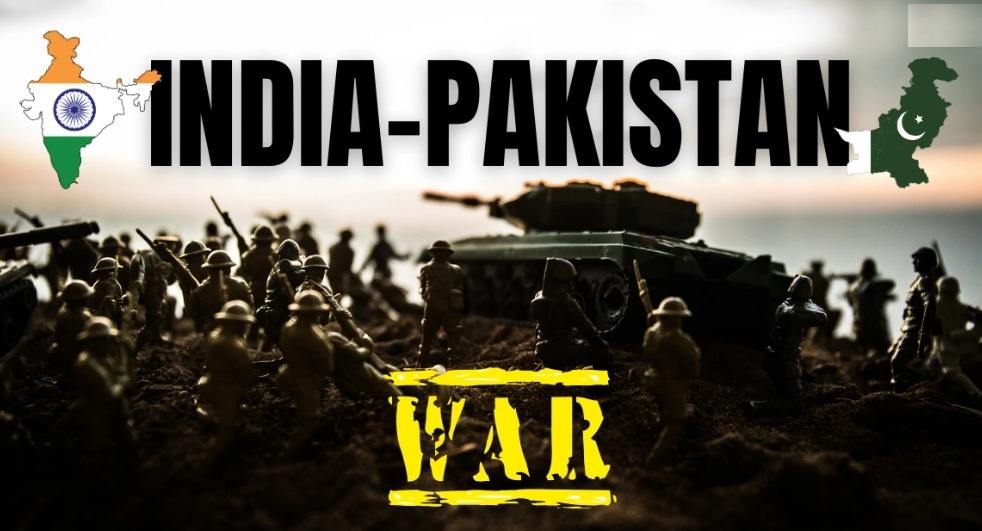
India and Pakistan Agree to Ceasefire Amid Border Tensions: A Step Toward Peace?
In a significant development, India and Pakistan have agreed to a ceasefire along their contested border, raising hopes for de-escalation of tensions in the region. The ceasefire comes after weeks of escalating border clashes, which had reignited fears of a larger conflict between the nuclear-armed neighbors.
Background of the Tensions
The India-Pakistan border, particularly the Line of Control (LoC) in the disputed region of Kashmir, has been a hotbed of tension for decades. In recent months, border skirmishes have intensified, with both sides accusing each other of violating ceasefire agreements and engaging in cross-border shelling. These flare-ups have led to casualties on both sides, adding to the already strained relations between the two nations.
The Ceasefire Agreement
The ceasefire agreement, brokered with the assistance of international mediators, marks a significant turning point in the ongoing conflict. Both Indian and Pakistani military officials have confirmed that the ceasefire will be effective immediately, and both sides have pledged to uphold the terms of the agreement.
Indian Prime Minister Narendra Modi and Pakistani Prime Minister Imran Khan expressed hopes that this truce would lead to a long-term peace agreement. In a joint statement, both leaders emphasized the importance of dialogue and cooperation in reducing tensions in the region.
Why Now?
While previous ceasefire agreements have failed, this latest development seems more promising due to the growing pressures on both nations to avoid further conflict. The international community, including the United Nations and key global powers, has urged both India and Pakistan to prioritize peace and stability in the region.
Additionally, domestic pressures from citizens who have been suffering the consequences of border clashes and the economic cost of military escalation may have contributed to this breakthrough.
What’s Next?
Though the ceasefire agreement is a step forward, analysts caution that it is just one piece of the puzzle. Both countries still face deep-rooted issues, such as the Kashmir dispute, that need to be resolved for lasting peace. However, the ceasefire paves the way for diplomatic discussions, and many hope it could be the beginning of a broader peace process.
Moving forward, it is essential for both India and Pakistan to engage in open dialogues to address the underlying issues, not only between themselves but also with the global community’s involvement.
Global Reactions
The global response to the India-Pakistan ceasefire has been largely positive. World leaders have praised the agreement as a necessary step towards peace in South Asia. The United States and China have both called for the continuation of negotiations and have offered to assist in any future peace efforts.
At the same time, many analysts remain cautious, pointing out that while the ceasefire is a welcome development, it should be treated as a temporary measure until further steps are taken toward addressing the larger issues between the two countries.
Conclusion: A Fragile Peace?
The India-Pakistan ceasefire agreement is a hopeful sign for the region, but it remains to be seen whether both nations can move beyond a temporary halt in violence to find a lasting resolution. The international community will be watching closely as the situation evolves.
In the meantime, this agreement offers a glimmer of hope for the people living in the border areas who have borne the brunt of decades of conflict.
India and Pakistan Agree to Ceasefire Amid Border Tensions: A Ray of Hope for Peace?
In a major breakthrough, India and Pakistan have agreed to a ceasefire along their contested border, bringing much-needed relief to the region after weeks of escalating tensions. This agreement marks a significant step toward de-escalation, offering a glimmer of hope for lasting peace between the two nuclear-armed nations.
A Long-Standing Tension
The India-Pakistan border, particularly in the disputed region of Kashmir, has been a flashpoint for conflict for decades. Tensions have often boiled over into violence, with both nations accusing each other of border violations and acts of aggression. The latest round of clashes has seen an alarming increase in cross-border shelling, resulting in casualties on both sides and further deepening animosities.
The Line of Control (LoC) has been the site of most of these confrontations. The region has witnessed regular ceasefire violations, with the situation becoming particularly volatile in recent months, leading to fears of a full-blown military conflict.
The Ceasefire Deal: A Moment of Diplomacy
The ceasefire agreement, which came after intense negotiations and international mediation, has been hailed as a positive development. Indian Prime Minister Narendra Modi and Pakistani Prime Minister Imran Khan both expressed their hopes that this ceasefire would lead to a new chapter in their bilateral relationship.
Officials from both nations confirmed that the ceasefire would be implemented immediately, and the respective military forces have been instructed to respect the truce. India’s Defence Minister Rajnath Singh and Pakistan’s Army Chief General Qamar Javed Bajwa have reiterated their commitment to peace, while acknowledging that challenges remain.
What Led to the Agreement?
The reasons behind the timing of the ceasefire are multifaceted. The international community, including global powers like the United States and China, has exerted significant pressure on both India and Pakistan to avoid further escalation. Diplomatic efforts from the United Nations and other organizations have played a key role in bringing both countries to the table.
On the domestic front, the repeated border clashes and the resulting loss of life on both sides have stirred public discontent. Citizens in both countries have expressed frustrations over the ongoing conflict, which has disrupted their daily lives and put a strain on their economies.
The ceasefire agreement, therefore, can be seen as an attempt to calm domestic unrest while also addressing the broader concerns of regional stability.
A Fragile Peace or a Step Toward a Lasting Resolution?
While the ceasefire is a welcome development, it remains to be seen whether this will lead to lasting peace. The India-Pakistan relationship is fraught with deep-rooted issues, with the Kashmir dispute being the most contentious. Despite this, the ceasefire presents a window of opportunity for diplomatic talks and confidence-building measures that could help break the decades-long deadlock.
The global community has cautiously welcomed the ceasefire, with many urging both sides to use this opportunity to initiate dialogue on broader issues. However, the complexities of the situation, including unresolved issues such as cross-border terrorism, the status of Kashmir, and the role of international players, mean that any long-term peace agreement will require sustained efforts and cooperation.
Global Reactions: A Hopeful World Watches
International reactions to the ceasefire have been largely positive. United Nations Secretary-General António Guterres called the agreement “a necessary step towards regional stability,” urging both nations to engage in constructive dialogue. The United States, Russia, and China have all expressed their support for the truce, signaling a willingness to assist in future peace initiatives.
At the same time, many experts remain cautious. The ceasefire could be fragile, and there’s skepticism about whether both sides will truly commit to a long-term peace process. Some analysts argue that the ceasefire should be seen as an opportunity to address broader issues, such as the status of Kashmir and cross-border terrorism, which remain major obstacles to peace.
Conclusion: A Ray of Hope Amidst Decades of Conflict
The ceasefire agreement between India and Pakistan offers a rare moment of hope for peace in a region long marred by conflict. While it’s too early to declare this the beginning of a new era of diplomacy, it is an important first step. Both nations have much work ahead of them, but the ceasefire shows that even in the most entrenched conflicts, there is room for dialogue and resolution.
As the world watches, the hope is that this fragile peace will eventually lead to a more lasting and comprehensive resolution to the India-Pakistan dispute—one that prioritizes peace, stability, and the welfare of the people who have lived with the consequences of conflict for too long.